Wildebeest Calving Season in Ndutu
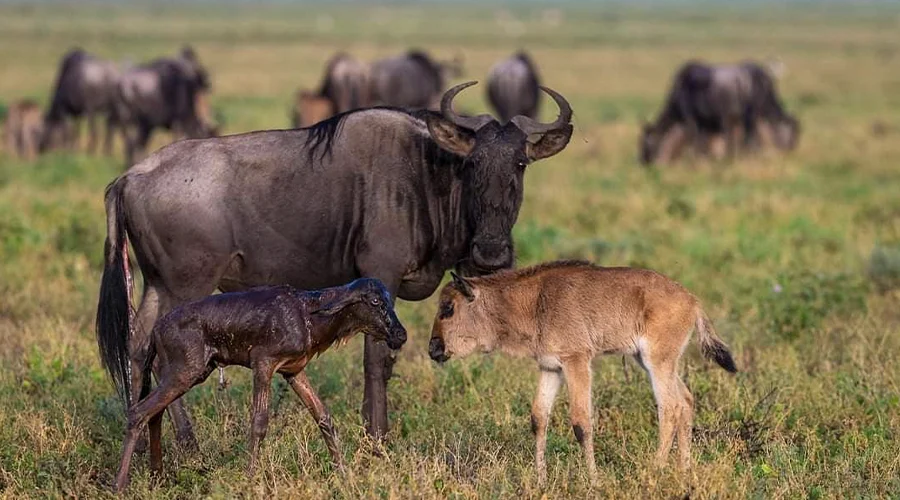
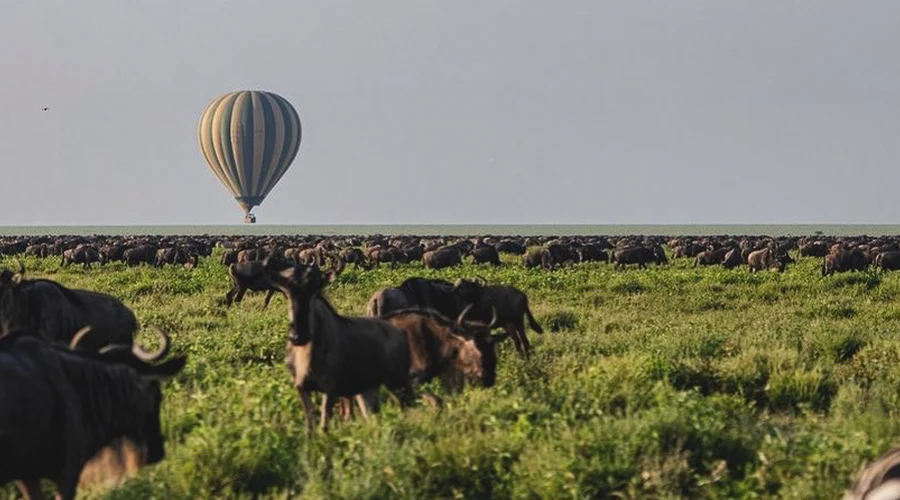
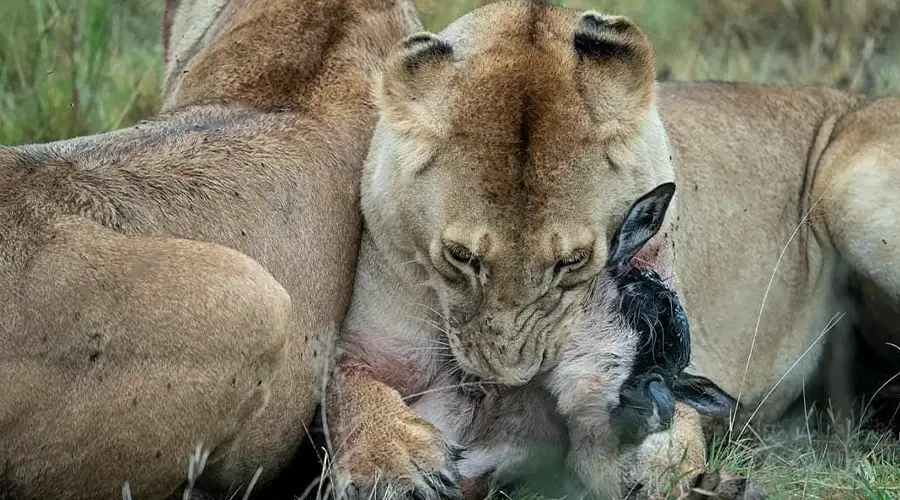
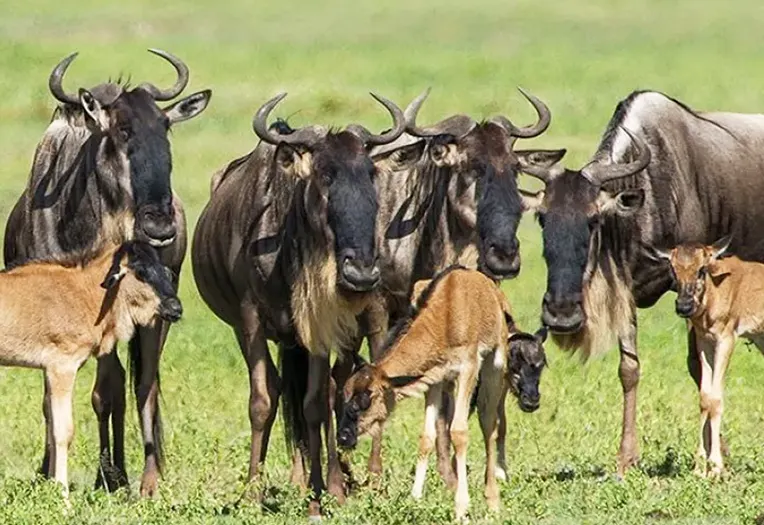
Each year between January and March, the Great Wildebeest Migration herds gather in the Southern Serengeti and Ndutu plains. During this calving season, over 8,000 wildebeest calves are born daily. This massive abundance of young, vulnerable prey attracts high concentrations of apex predators, leading to intense wildlife encounters, spectacular hunts, and incredible photographic opportunities. Booking your calving season safari with BMC Tours & Safaris places you in the hands of master guides who specialize in tracking these high-action events.
The short-grass volcanic soils of Ndutu are rich in nutrients, providing the perfect grazing grounds for nursing wildebeest mothers. It is a time of renewal, drama, and unmatched safari excitement. BMC Tours & Safaris works closely with premium Ndutu mobile camps to offer unparalleled proximity to the herds while maintaining the highest standard of luxury and comfort in the bush.
Month-by-Month Guide
Ndutu Calving Season Timeline
The wildebeest calving season runs through the first quarter of the year, bringing dramatic action to the southern plains:
January Calving Begins
The herds arrive and settle in the nutrient-rich Ndutu and Southern plains. Calving starts as herds expand across the grasslands.
February Peak Calving Month
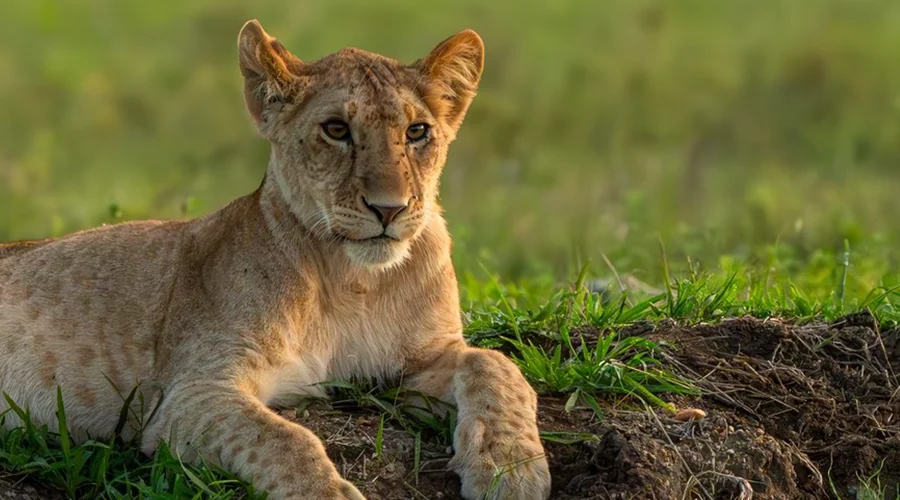
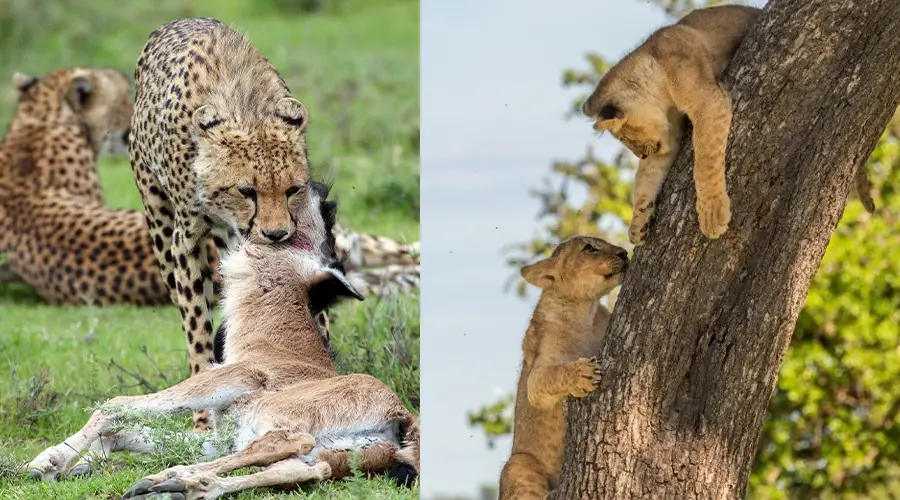
The absolute peak of the calving season. Over 8,000 calves are born daily, attracting immense predator interest from lions, cheetahs, and hyenas.
March Plains Grazing
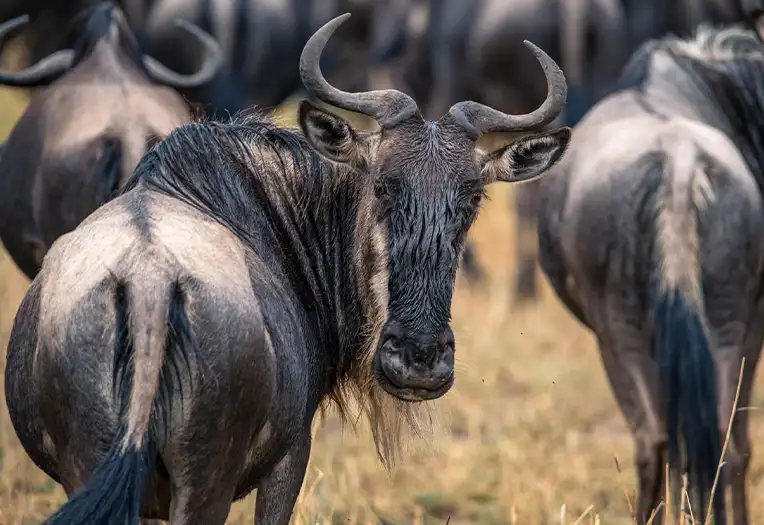
Calves grow stronger and the herds prepare to begin their migration journey northward as water sources begin to dwindle.
Explore Packages
Featured Calving Season Safari Packages
Browse our handpicked calving and Ndutu migration packages below. Send an inquiry to customize your itinerary.
3 Day Serengeti December Migration Calving Preparation Southern Plains Safari
Experience the powerful Great Migration calving preparation season in Serengeti National Park with BMC TOURS &...
You Visit: Serengeti National Park
3 Day Serengeti November Migration Return South Safari Lobo to Ndutu Movement
Experience the dramatic Great Migration return journey in Serengeti National Park with BMC TOURS & SAFARIS as ...
You Visit: Serengeti National Park, Lobo, Ndutu
Travel Advice
Frequently Asked Questions
When is the absolute best time to plan a safari to witness the wildebeest calving?
The peak of the wildebeest calving season in the Southern Serengeti and Ndutu plains occurs between late January and early March. During these few weeks, the endless volcanic grass plains are carpeted with over a million wildebeest. February is traditionally considered the optimum month, as the synchronized birthing sees hundreds of thousands of new calves born within a short 2-to-3 week window. The exact timing is driven by the onset of the short rains in November and December, which hydrate the soil and stimulate the growth of nutritious grasses that support lactating mothers.
Where exactly is the calving season located and how do we get there?
The calving season is primarily centered around the Ndutu region, which spans the unfenced border between the Southern Serengeti National Park and the Ngorongoro Conservation Area. This ecosystem allows animals to move freely. To reach Ndutu, you can either take a scenic drive from Arusha (about 5 to 6 hours, stopping at Lake Manyara or Tarangire along the way) or fly directly from Arusha Airport (ARK) to the Ndutu Airstrip (NDU), which takes about 50 minutes. Flying is highly recommended to maximize your time in the wilderness.
Will we see high levels of predator activity during the calving season?
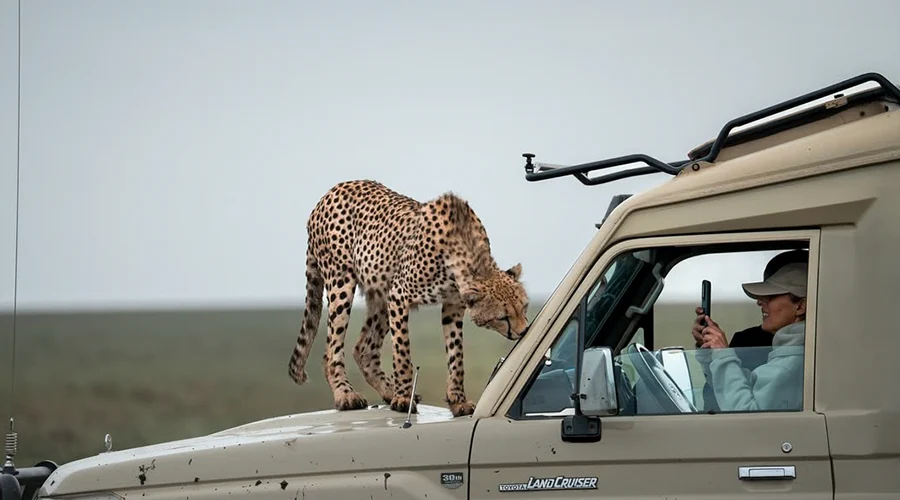
Yes, this is one of the most dramatic times of the year for predator-prey sightings in Africa. The presence of thousands of weak, vulnerable newborn calves attracts massive numbers of predators. Ndutu is world-famous for its resident prides of lions, large clans of spotted hyenas, and a particularly high concentration of cheetahs. The open flat grasslands are perfect terrain for cheetahs to hunt. You are highly likely to witness fast-paced pursuits, territorial standoffs, and raw wildlife survival struggles during your daily game drives.
What makes the Ndutu region unique compared to the rest of the Serengeti?
Ndutu offers unique advantages for safari travelers, particularly regarding off-road driving. Unlike the main Serengeti National Park, where vehicles are strictly confined to designated tracks, the Ndutu region lies within the Ngorongoro Conservation Area. This allows our professional guides at BMC Tours & Safaris to drive off-road to follow hunting predators or get closer to calving herds, provided it is done responsibly. Additionally, Ndutu features Lake Ndutu and Lake Masek, alkaline lakes that attract diverse birdlife and resident wildlife year-round.
What type of accommodation should we choose for a calving safari?
We recommend staying in mobile tented camps that are specifically set up in the Ndutu region from December to April. These luxury mobile camps are designed to follow the Great Migration's path. They offer an authentic safari atmosphere with large canvas tents, en-suite bathrooms with hot bucket showers, comfortable beds, and delicious meals cooked over open fires. Staying in a mobile camp keeps you close to the moving herds, so you can hear the animals calling at night. We also partner with permanent luxury lodges in Ndutu for guests who prefer brick-and-mortar comfort.
How long should a calving season safari be and what parks should we include?
We recommend a 5-to-7 day itinerary to fully experience the calving season. A typical romantic or family itinerary starts with 1 night in Tarangire National Park (famous for its huge elephant herds and ancient baobab trees), followed by 3 to 4 nights based in Ndutu to explore the southern plains, and finishes with 1 night exploring the Ngorongoro Crater floor. This combination ensures a balanced safari experience, showcasing the best wildlife spectacles in northern Tanzania.