Climbing Mount Kilimanjaro
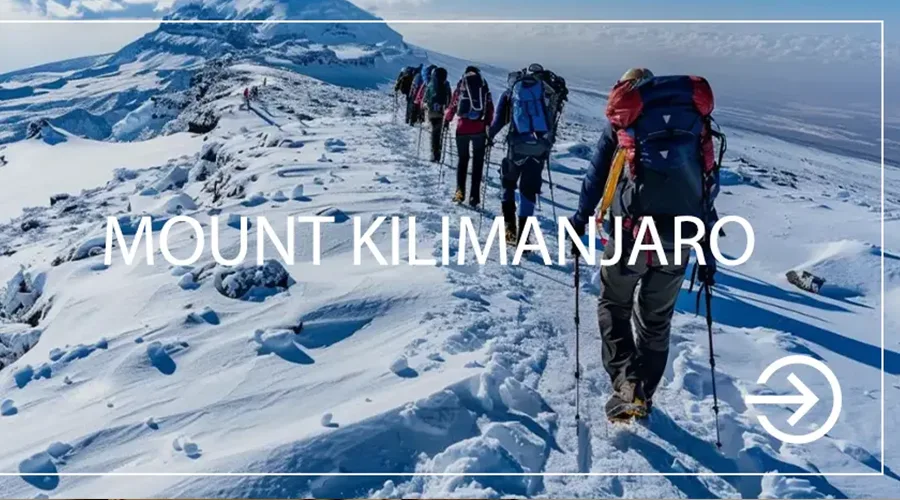
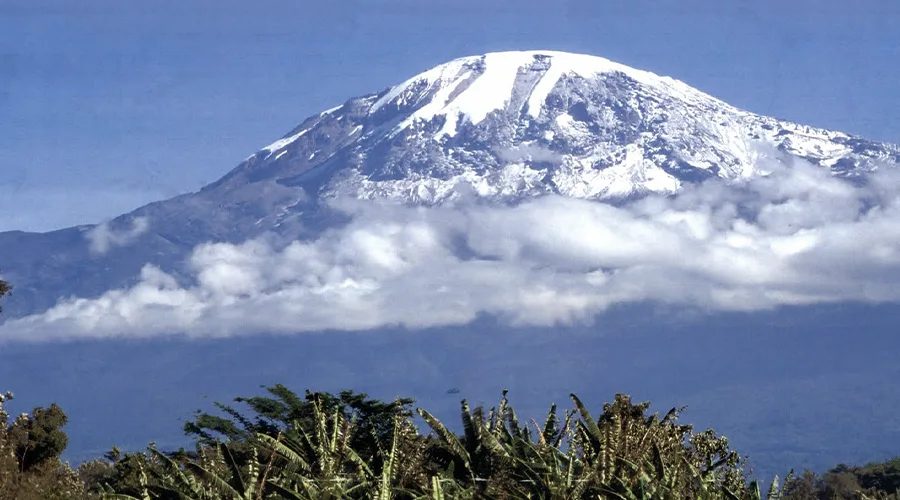
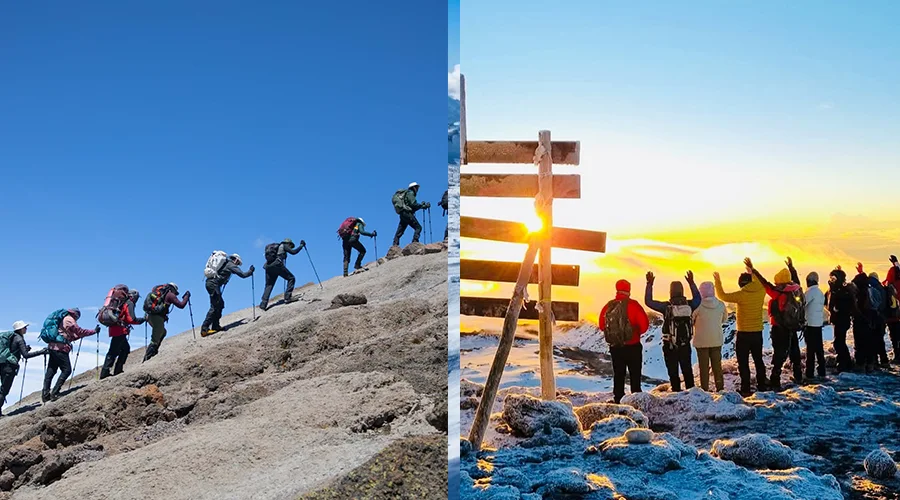
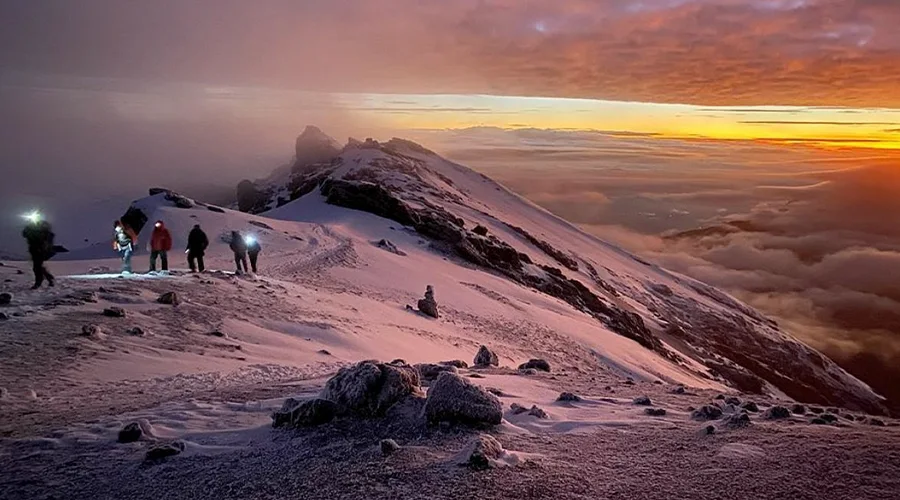
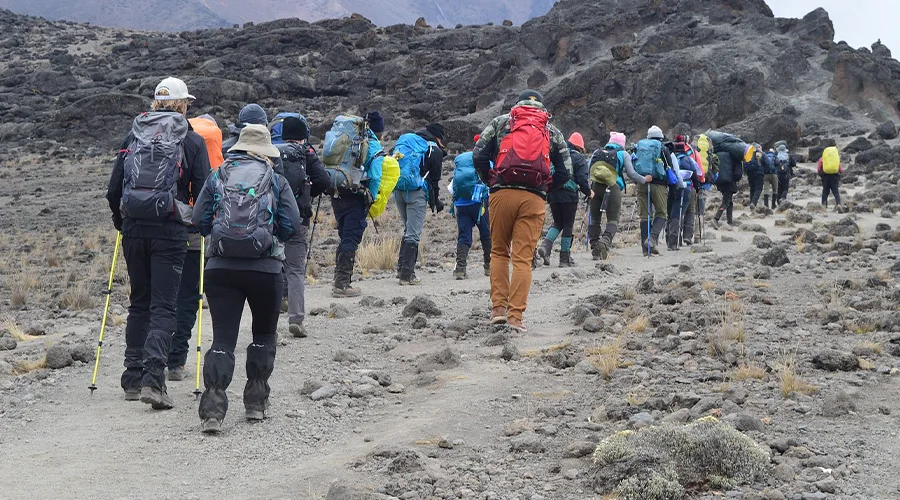
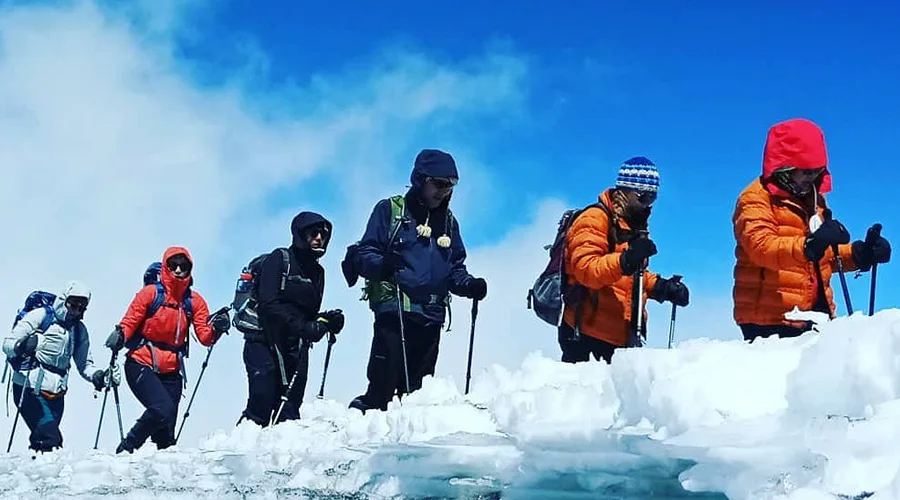
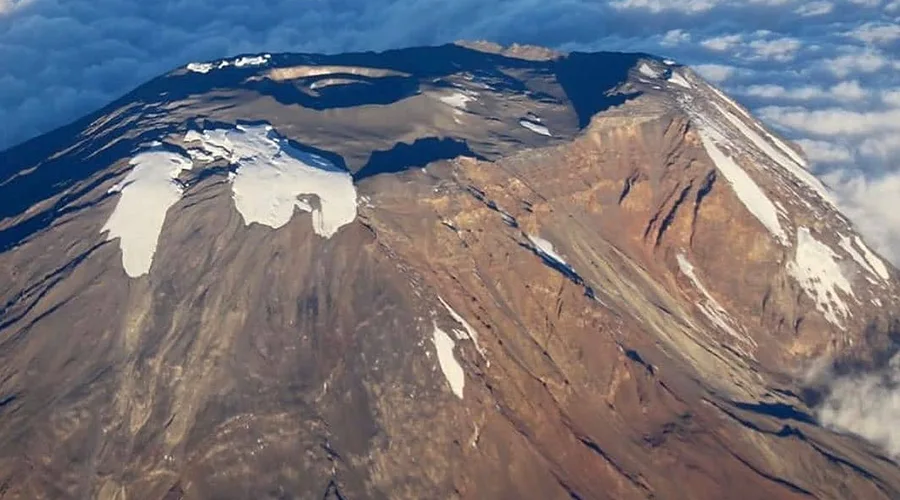
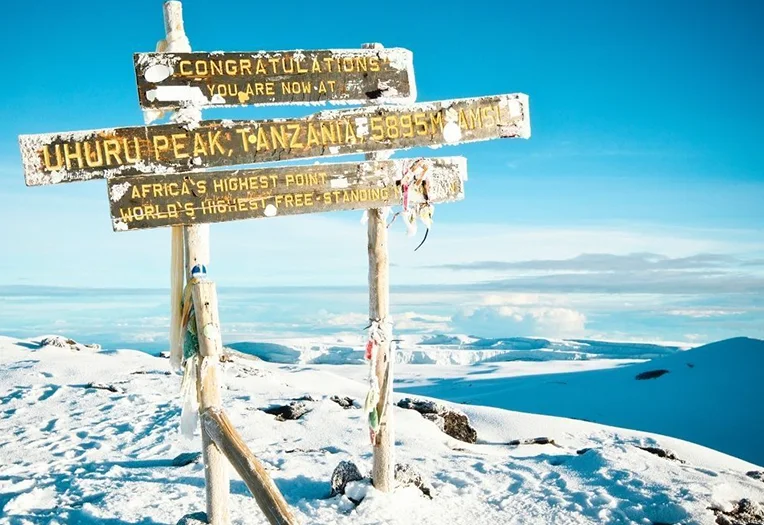
Mount Kilimanjaro is the highest free-standing mountain in the world and the tallest peak on the African continent. Climbing Kilimanjaro is a bucket-list adventure that takes you through five distinct ecological zones, from lush tropical rainforests to near-desert landscapes and glacial summits. Trust BMC Tours & Safaris to guide you step-by-step to the Roof of Africa, Uhuru Peak at 5,895 meters above sea level.
We offer professionally guided climbs on all major routes, including Machame, Marangu, Lemosho, and Rongai. With BMC Tours & Safaris, your climb is supported by highly experienced guides, a dedicated team of porters, proven safety records, top-tier medical protocols (including daily oximeter checks and emergency oxygen), and a strong focus on slow acclimatization to give you the highest success rate of reaching the summit safely.
Route Guide
Popular Kilimanjaro Climbing Routes
Select the climbing route that best matches your preferred scenery and timeframe:
Machame Route The Whiskey Route
The most popular climbing route. Offers stunning vistas, a steep hiking profile, and great acclimatization due to its climb-high, sleep-low design.
Lemosho Route Scenic & High Success
Starts on the western side of the mountain. A highly scenic, longer route (7-8 days) that maximizes acclimatization for the highest success rate.
Marangu Route The Coca-Cola Route
The oldest and quickest route, and the only one providing dormitory-style sleeping huts. Direct climb but lower success rates on short schedules.
Explore Packages
Featured Kilimanjaro Hiking Packages
Browse our Mount Kilimanjaro climbing packages. All treks are guided by certified professionals and include mountain crew support.
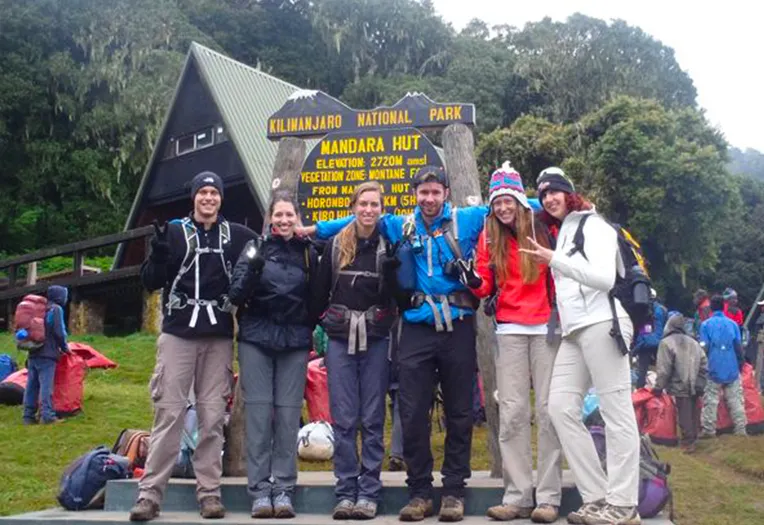
Kilimanjaro Day Hike Adventure: Marangu Route
Experience Africa's tallest peak in just one day on our Kilimanjaro Day Hike via the scenic Marangu Route. Beg...
You Visit: Mount Kilimanjaro, Marangu
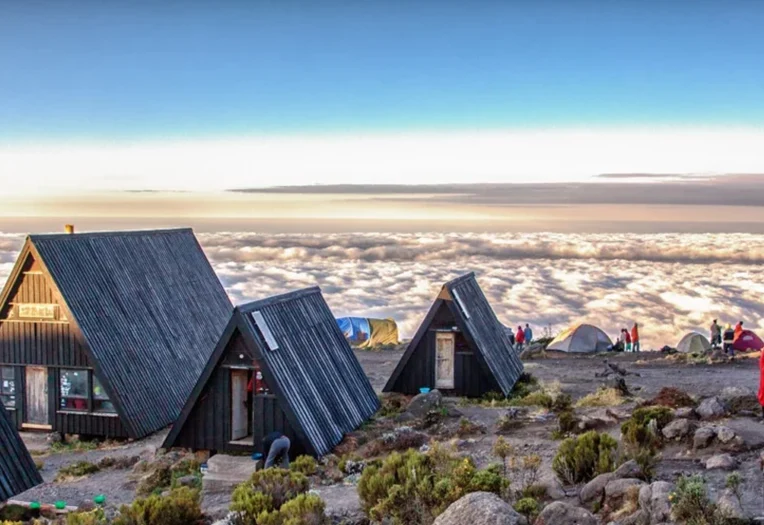
5-Day Mount Kilimanjaro Marangu Route Trekking Adventure
The 5-Day Marangu Route is one of the most popular ways to climb Mount Kilimanjaro and is often referred to as...
You Visit: Marangu Gate, Mandara Hut, Horombo Hut, Kibo Hut, Gilman's Point, Uhuru Peak 5,895m
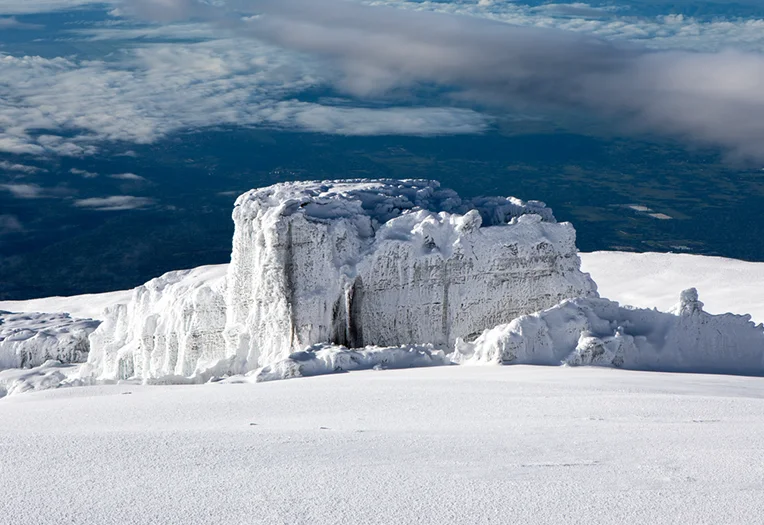
6-Day Mount Kilimanjaro Climb via the Challenging Umbwe Route
The 6-day Umbwe Route is Kilimanjaro's steepest and most demanding trail, ascending through dense rainforest, ...
You Visit: Umbwe Gate, Umbwe Camp, Barranco Camp, Barranco Wall, Karanga Camp, Barafu Camp, Stella Point, Uhuru Peak 5,895m, Mweka Camp, Mweka Gate
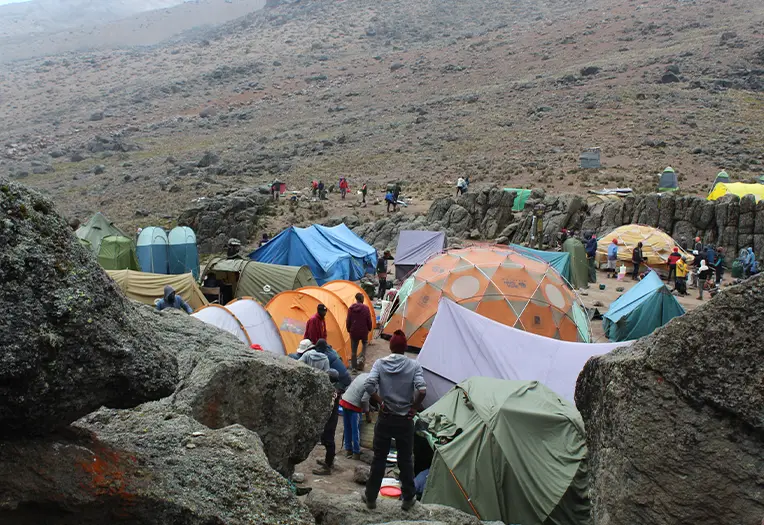
6-Day Mount Kilimanjaro Marangu Route Trek with Acclimatization
The 6-Day Marangu Route is one of the most comfortable and popular ways to climb Mount Kilimanjaro. Known as t...
You Visit: Marangu Gate, Mandara Hut, Horombo Hut, Mawenzi Ridge, Kibo Hut, Gilman's Point, Uhuru Peak 5,895m
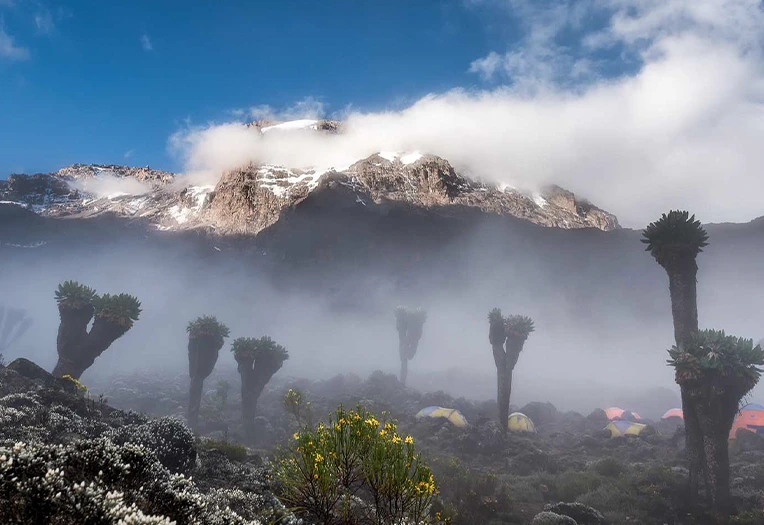
6-Day Mount Kilimanjaro Marangu Route Trekking
Experience the 6-Day Marangu Route Trekking adventure on Mount Kilimanjaro. Includes arrival night in Moshi (T...
You Visit: Moshi (The Maridadi Hotel), Marangu Gate, Mandara Hut, Horombo Hut, Zebra Rocks / Mawenzi Ridge, Kibo Hut, Uhuru Peak 5,895m
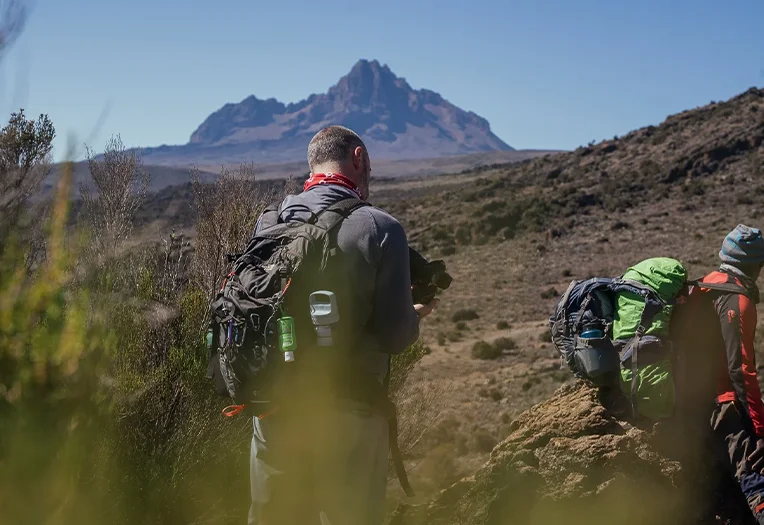
6-Day Mount Kilimanjaro Rongai Route Climb Adventure via Marangu Descent
This 6-day Kilimanjaro adventure follows the scenic Rongai Route, approaching from the northern side with a de...
You Visit: Rongai Gate, Simba Camp, Second Cave, Kikelewa Area, Mawenzi Tarn Camp, School Hut, Uhuru Peak 5,895m, Horombo Hut, Mandara Hut, Marangu Gate, Moshi
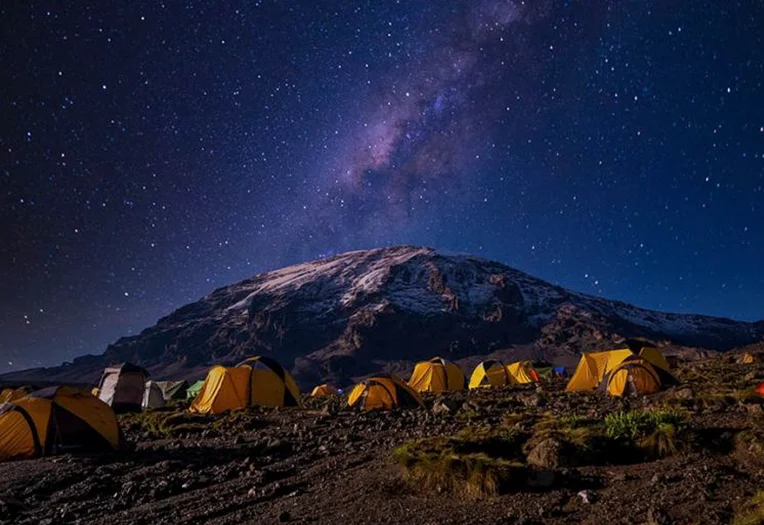
6-Days Mount Kilimanjaro Machame Route Summit Trek
The 6-day Machame Route, famously known as the “Whisky Route,” is one of the most scenic and rewarding ways to...
You Visit: Machame Gate, Shira Camp, Lava Tower, Barranco Camp, Barafu Camp, Uhuru Peak 5,895m, Mweka Gate
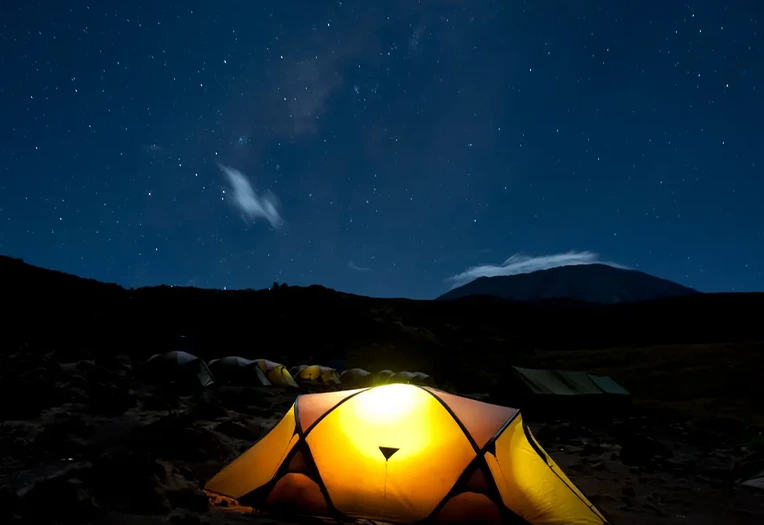
7-Day Mount Kilimanjaro Marangu Route Trek with Hut Accommodation
The 7-Day Marangu Route Trek is one of the most comfortable ways to climb Mount Kilimanjaro, Africa’s highest ...
You Visit: Moshi (The Maridadi Hotel), Marangu Gate, Mandara Hut, Horombo Hut, Mawenzi Hut, Kibo Hut, Gilman's Point, Uhuru Peak 5,895m
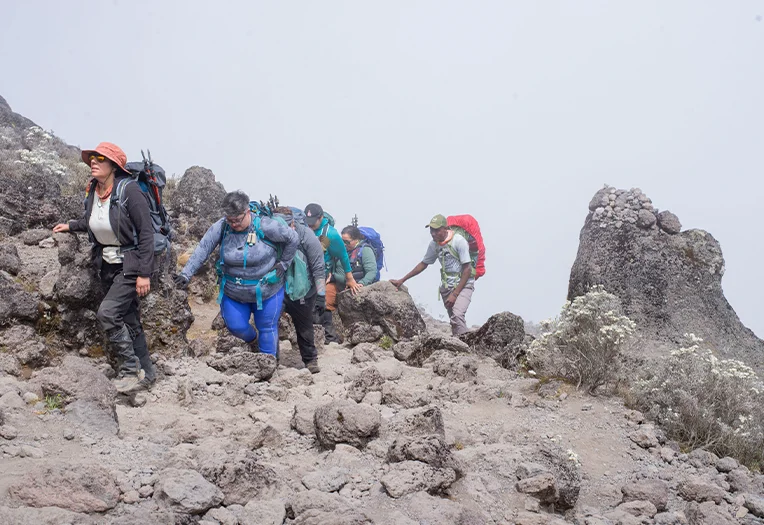
7-Day Mount Kilimanjaro Rongai Route Trekking Adventure
This 7-day Kilimanjaro adventure follows the Rongai Route from the northern side, featuring pre-climb hotel st...
You Visit: Moshi (The Maridadi Hotel), Rongai Gate, First Caves Camp, Second Cave, Kikelewa Cave, Mawenzi Tarn Camp, Kibo Hut, Uhuru Peak 5,895m, Horombo Hut, Mandara Hut, Marangu Gate
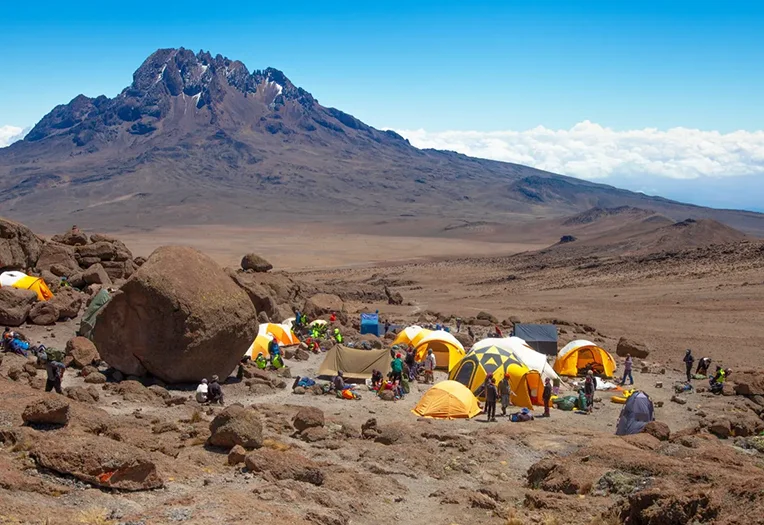
7-Day Mount Kilimanjaro Trek via the Challenging Umbwe Route
The 7-day Umbwe Route trek offers an adventurous climb featuring pre-climb hotel stay in Moshi at The Maridadi...
You Visit: Moshi (The Maridadi Hotel), Umbwe Gate, Umbwe Camp, Barranco Camp, Barranco Wall, Karanga Camp, Barafu Camp, Stella Point, Uhuru Peak 5,895m, Mweka Camp, Mweka Gate, Arusha
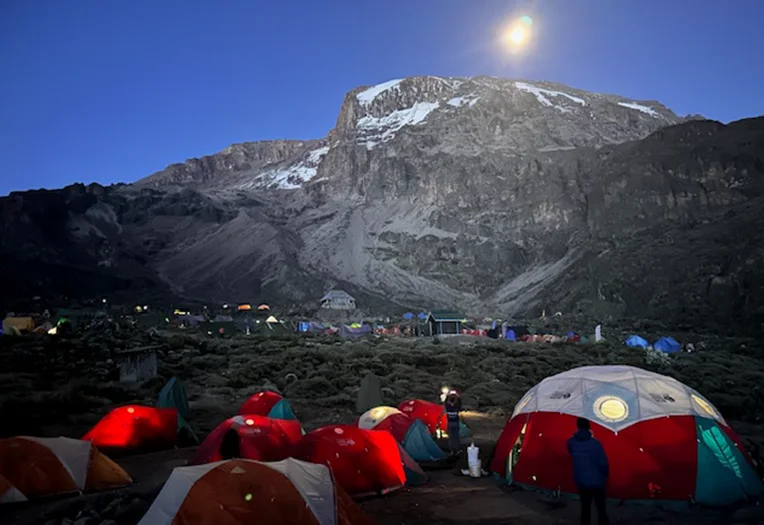
7-Days Mount Kilimanjaro Machame Route Summit Adventure Trek
The 7-day Machame Route is one of the most scenic and successful ways to summit Mount Kilimanjaro. Known as th...
You Visit: Machame Gate, Shira Camp, Lava Tower, Barranco Wall, Karanga Camp, Barafu Camp, Uhuru Peak 5,895m, Millennium Camp
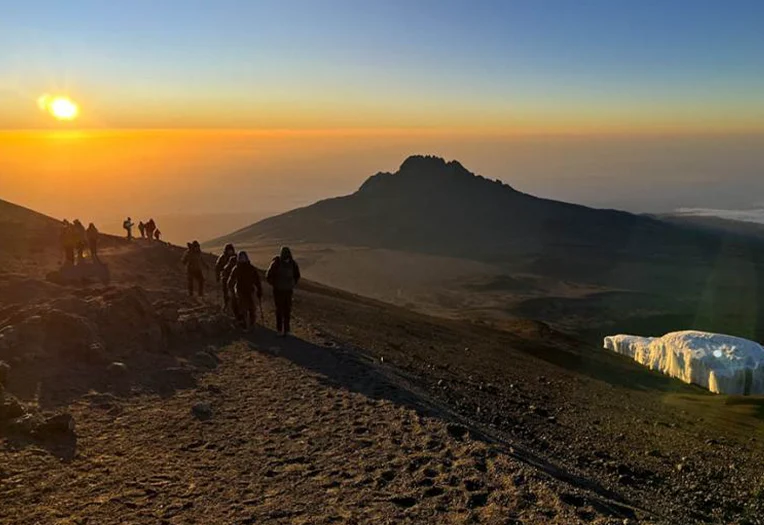
Mount Kilimanjaro Lemosho Route 7-Day Scenic Summit Expedition Trek
Embark on an unforgettable adventure to the summit of Mount Kilimanjaro via the scenic Lemosho Route, one of t...
You Visit: Londorossi Gate, Forest Camp, Moir Hut, Lava Tower, Barranco Wall, Barafu Camp, Uhuru Peak 5,895m
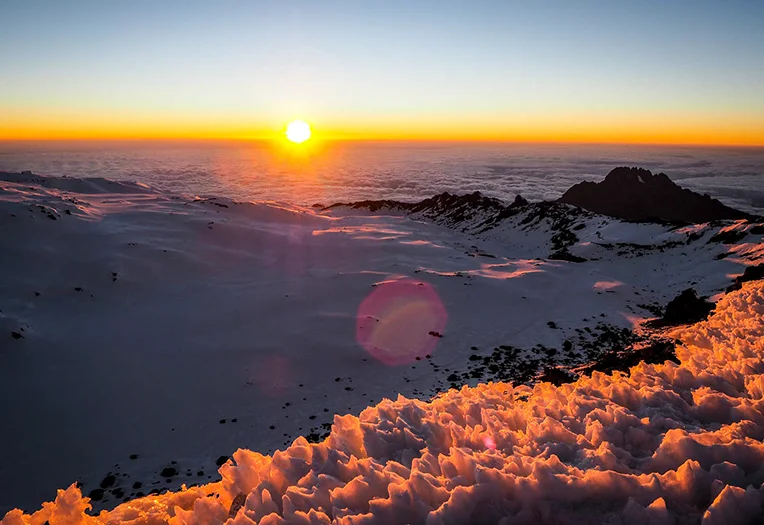
8-Day Mount Kilimanjaro Expedition via Rongai Route
This 8-day Kilimanjaro expedition follows the Rongai Route from Nalemuru Gate, featuring hotel stays in Moshi ...
You Visit: Moshi (Aishi Machame Hotel), Nalemuru Gate, Simba Camp, Kikilewa Camp, Mawenzi Tarn Camp, Kibo Hut, Uhuru Peak 5,895m, Horombo Hut, Mandara Hut, Marangu Gate, Moshi
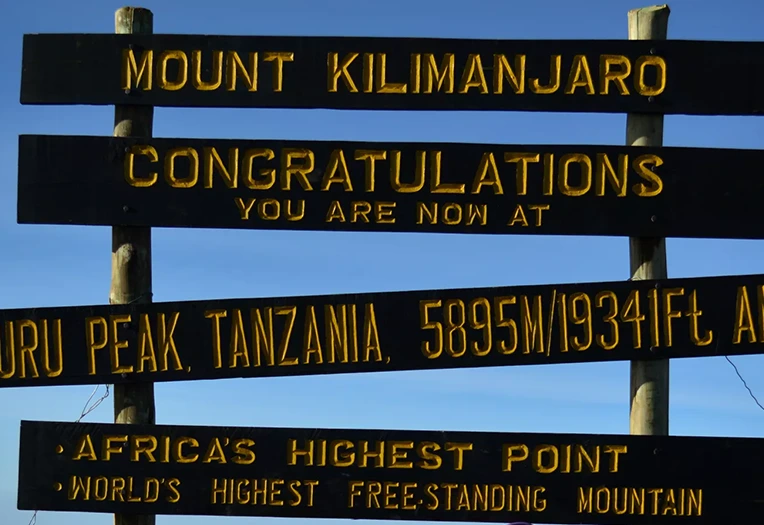
8-Day Mount Kilimanjaro Marangu Route Trek with Acclimatization
The 8-Day Marangu Route Trek offers a comfortable and rewarding journey to the summit of Mount Kilimanjaro, Af...
You Visit: Moshi (The Maridadi Hotel), Marangu Gate, Mandara Hut, Horombo Hut, Kibo Hut, Gilman's Point, Uhuru Peak 5,895m
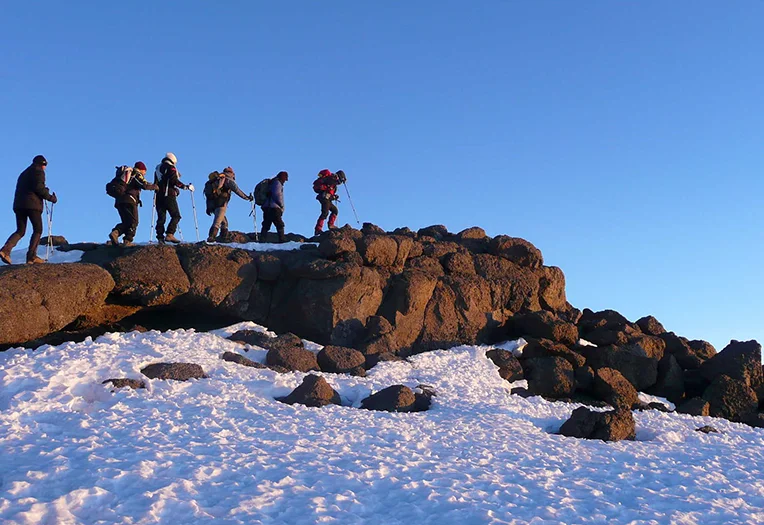
8-Day Mount Kilimanjaro Umbwe Route Trekking Adventure
The 8-day Umbwe Route expedition features pre/post-climb hotel stays in Moshi at Aishi Machame Hotel, Umbwe Ca...
You Visit: Moshi (Aishi Machame Hotel), Umbwe Gate, Umbwe Camp, Barranco Camp, Barranco Wall, Karanga Camp, Barafu Camp, Stella Point, Uhuru Peak 5,895m, Millennium Camp, Mweka Gate, Moshi
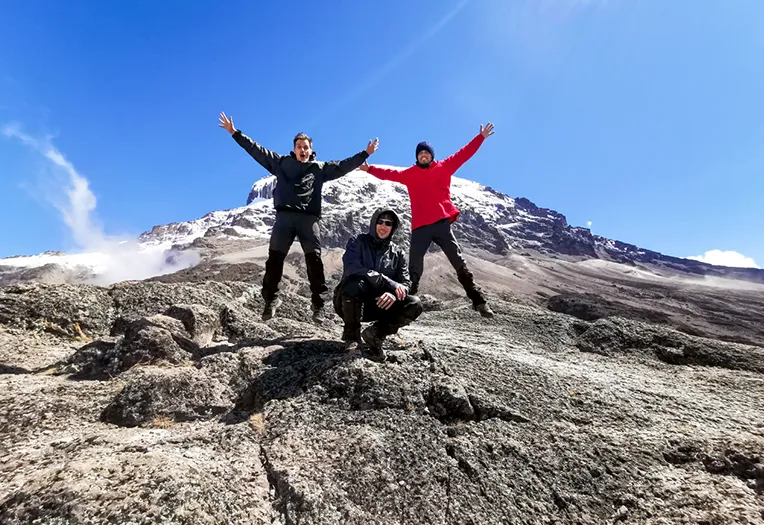
8-Days Mount Kilimanjaro Lemosho Route Scenic Summit Climbing Adventure
This 8-day Kilimanjaro Lemosho Route expedition is one of the most scenic and less crowded paths to the Roof o...
You Visit: Lemosho Gate, Shira 2, Moir Camp, Lava Tower, Barranco Wall, Barafu Camp, Uhuru Peak 5,895m
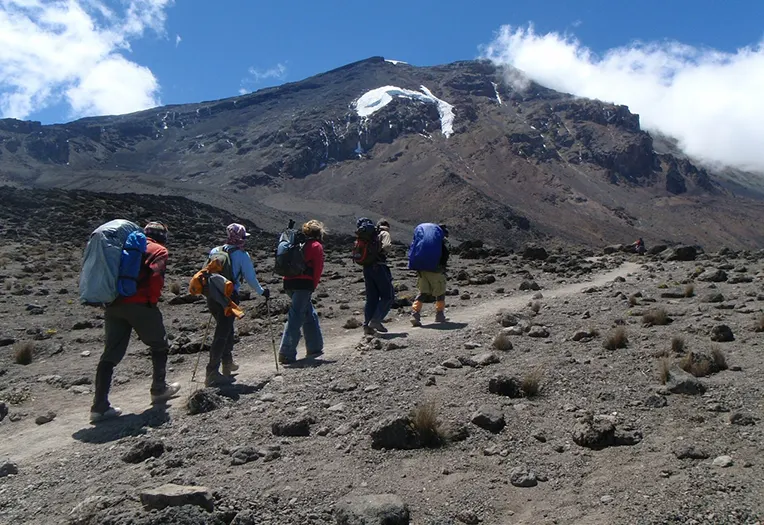
8-Days Mount Kilimanjaro Machame Route Luxury Summit Trek
The 8-day Machame Route is one of the most scenic and successful ways to reach the summit of Mount Kilimanjaro...
You Visit: Arusha (Gran Melia), Machame Gate, Shira Camp, Lava Tower, Barranco Wall, Barafu Camp, Uhuru Peak 5,895m, Mweka Gate, Arusha Coffee Lodge
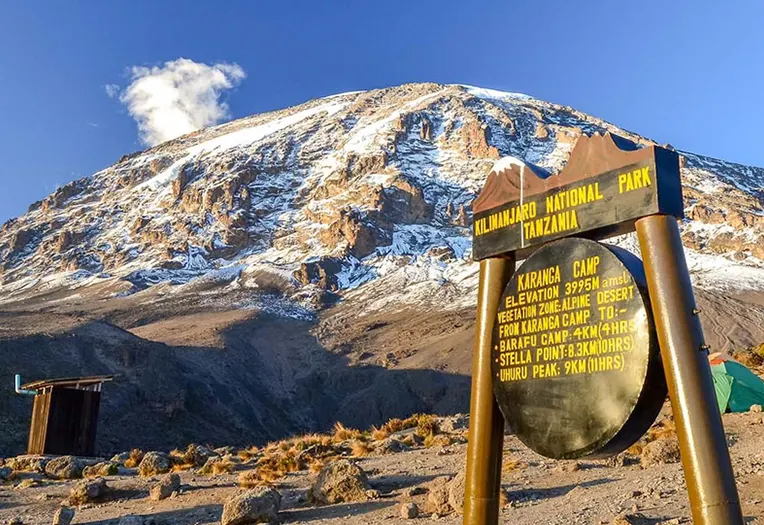
8-Days Mount Kilimanjaro Machame Route Trek Adventure
This 8-days Mount Kilimanjaro climb via the scenic Machame Route experience diverse ecosystems ranging from ra...
You Visit: Arusha (Airport Planet Lodge), Machame Gate, Shira Camp, Lava Tower, Barranco Wall, Karanga Camp, Barafu Camp, Uhuru Peak 5,895m, Mweka Gate
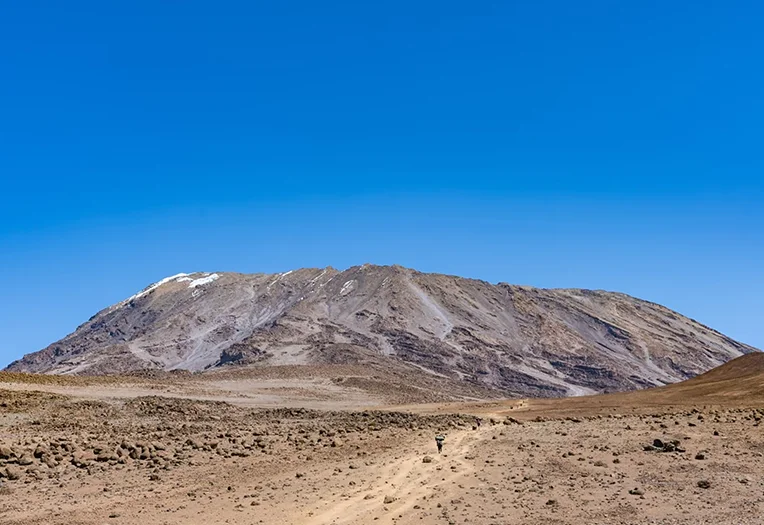
8-Days Mount Kilimanjaro Northern Circuit Route Summit Trek
The 8-Day Northern Circuit Route is one of the most scenic and successful routes on Mount Kilimanjaro. Approac...
You Visit: Lemosho Gate, Mti Mkubwa Camp, Shira 1 Camp, Shira 2 Camp, Lava Tower, Moir Hut, Buffalo Camp, Third Cave Camp, School Hut, Uhuru Peak 5,895m, Mweka Gate
9-Day Mount Kilimanjaro Expedition via Rongai Route
This 9-day Kilimanjaro expedition via the Rongai Route offers a quiet, scenic, and gradual ascent from the nor...
You Visit: Moshi (Aishi Machame Hotel), Nalemuru Gate, Simba Camp, Second Cave Camp, Kikilewa Camp, Mawenzi Tarn Camp, Kibo Hut, Uhuru Peak 5,895m, Horombo Hut, Mandara Hut, Marangu Gate, Moshi
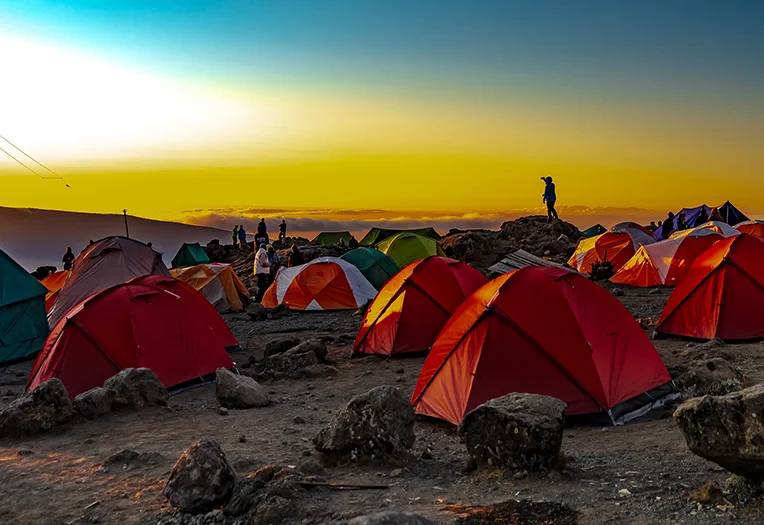
9-Days Mount Kilimanjaro Lemosho Route Scenic Summit Expedition Trek
This 9-day Kilimanjaro Lemosho Route expedition is one of the most scenic and successful paths to the Roof of ...
You Visit: Londorossi Gate, Shira Plateau, Moir Hut, Lava Tower, Barranco Wall, Barafu Camp, Uhuru Peak 5,895m
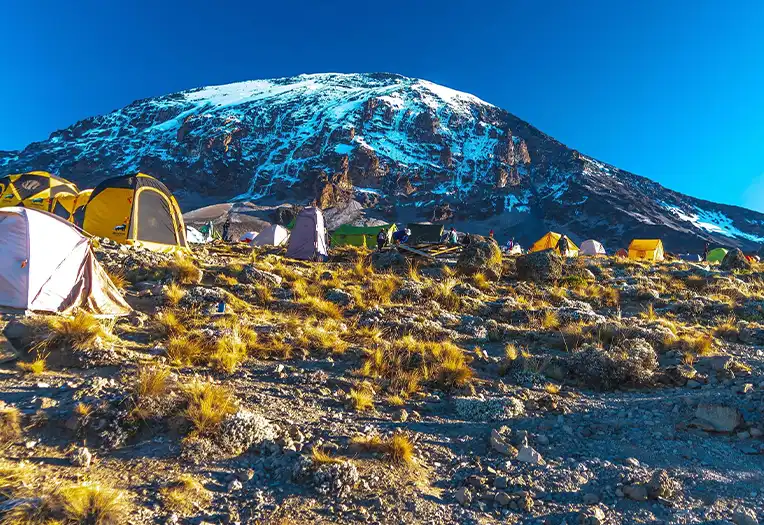
9-Days Mount Kilimanjaro Machame Route Summit Adventure
The 9-day Machame Route is one of the most scenic and rewarding ways to climb Mount Kilimanjaro. Known as the ...
You Visit: Moshi (The Maridadi Hotel), Machame Gate, Shira Camp, Lava Tower, Barranco Wall, Karanga Camp, Barafu Camp, Uhuru Peak 5,895m, Mweka Gate
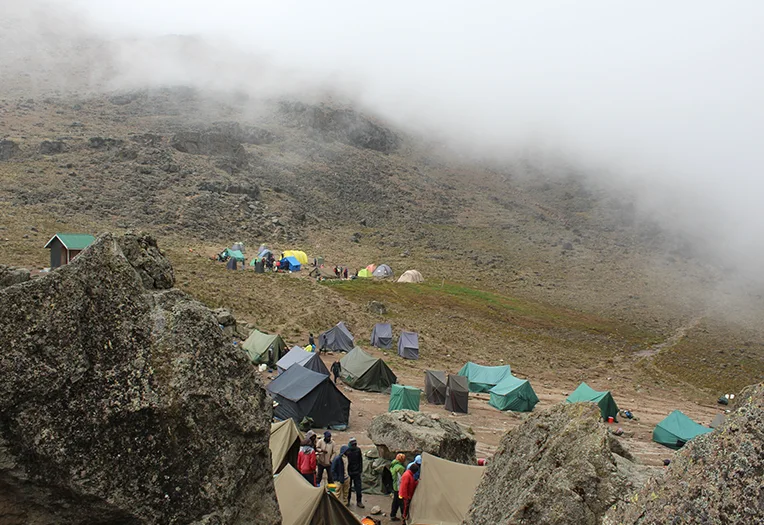
10-Day Kilimanjaro Lemosho Route Trekking
This 10-day adventure on the iconic Lemosho Route on Mount Kilimanjaro experience begins with arrival in Moshi...
You Visit: Moshi (Park View Inn), Londorossi Gate, Big Tree Camp, Shira 1 Camp, Shira 2 Camp, Lava Tower, Barranco Camp, Barranco Wall, Karanga Camp, Barafu Camp, Stella Point, Uhuru Peak 5,895m, Mweka Gate
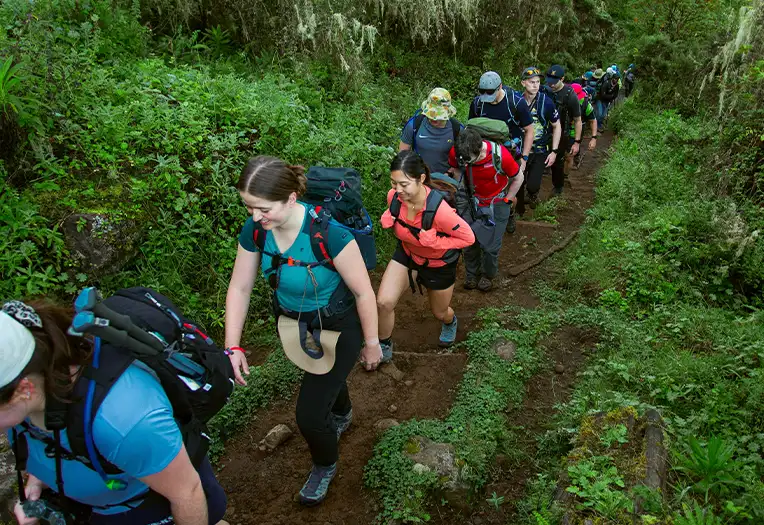
10-Day Mount Kilimanjaro Northern Circuit Route Trekking Adventure
The 10-Day Northern Circuit Route is the longest and most scenic way to climb Mount Kilimanjaro, offering exce...
You Visit: Moshi (Kilimanjaro Wonders Hotel), Lemosho Gate, Big Tree Camp, Shira 1 Camp, Shira 2 Camp, Lava Tower, Moir Hut, Buffalo Camp / Pofu Camp, Third Cave Camp, School Hut, Uhuru Peak 5,895m, Mweka Gate
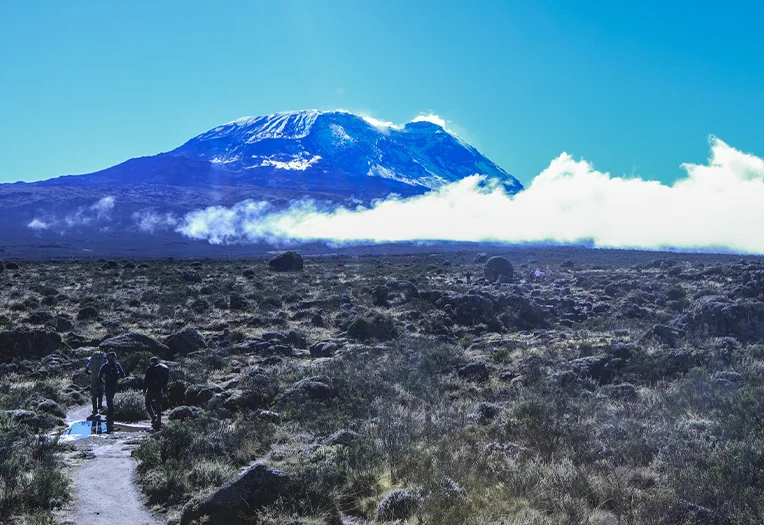
10-Days Mount Kilimanjaro Lemosho Route Scenic Summit Expedition Trek
This 10-day Kilimanjaro Lemosho Route expedition is one of the most scenic and least crowded paths to the Roof...
You Visit: Londorossi Gate, Shira 1, Shira 2, Lava Tower, Barranco Wall, Barafu Camp, Uhuru Peak 5,895m
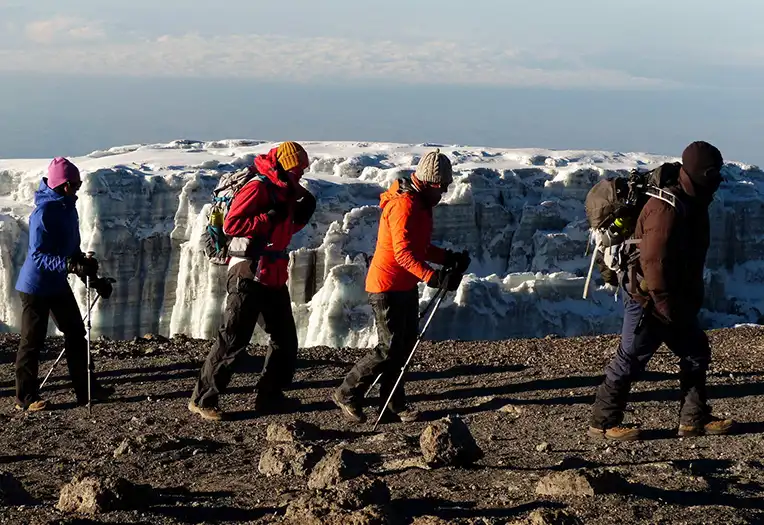
11-Day Kilimanjaro Northern Circuit Scenic Wilderness Trek
The 11-Day Northern Circuit Kilimanjaro Trek is the longest, quietest, and most scenic route on the mountain, ...
You Visit: Moshi (The Maridadi Hotel), Londorossi Gate, Big Tree Camp, Shira 1 Camp, Shira 2 Camp, Lava Tower, Moir Hut, Buffalo Camp / Pofu Camp, Third Cave Camp, School Hut, Uhuru Peak 5,895m, Millennium Camp, Mweka Gate
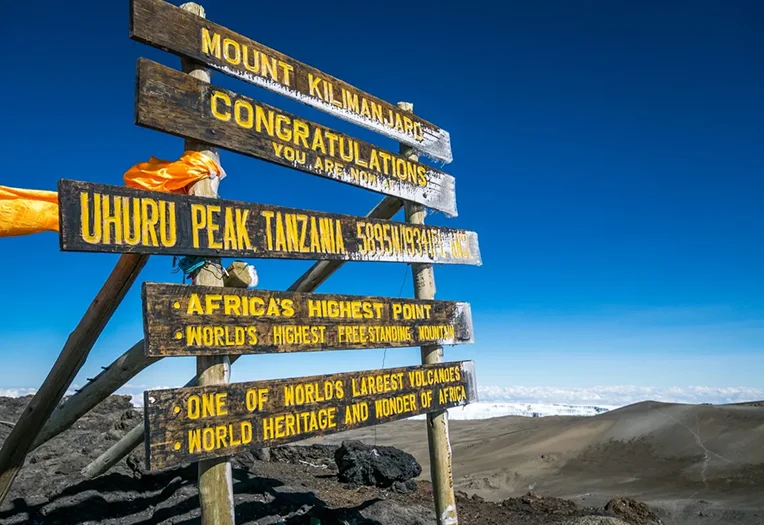
11-Day Mount Kilimanjaro Northern Circuit Route Trekking Adventure
The 11-day Northern Circuit Route is the longest and most scenic way to climb Mount Kilimanjaro, offering unma...
You Visit: Moshi (The Maridadi Hotel), Lemosho Gate, Mti Mkubwa Camp, Shira 2 Camp, Moir Hut, Pofu Camp, Third Caves Camp, Mawenzi Tarn Camp, Kibo Hut, Uhuru Peak 5,895m, Millennium Camp, Mweka Gate
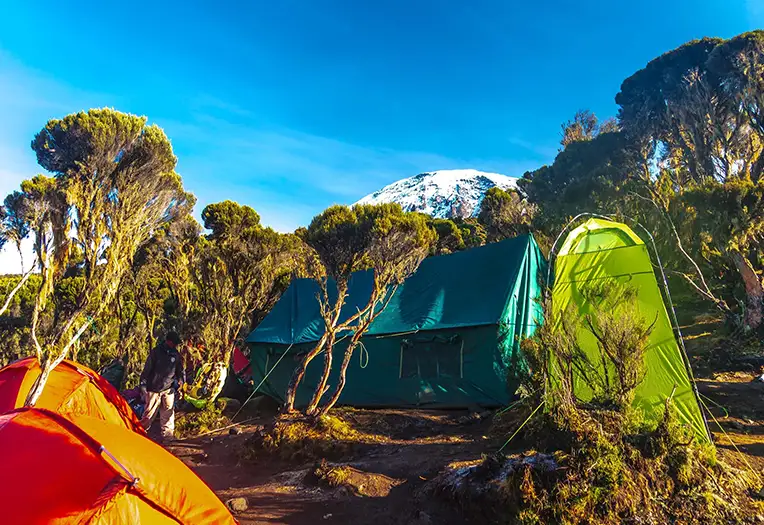
11-Days Mount Kilimanjaro Northern Circuit Lemosho Route Premium Summit Expedition Trek
This 11-day Kilimanjaro Northern Circuit Lemosho Route expedition is the longest and most scenic way to reach ...
You Visit: Londorossi Gate, Shira 1, Shira 2, Moir Hut, Buffalo Camp, Third Cave, School Hut, Uhuru Peak 5,895m, Millennium Camp
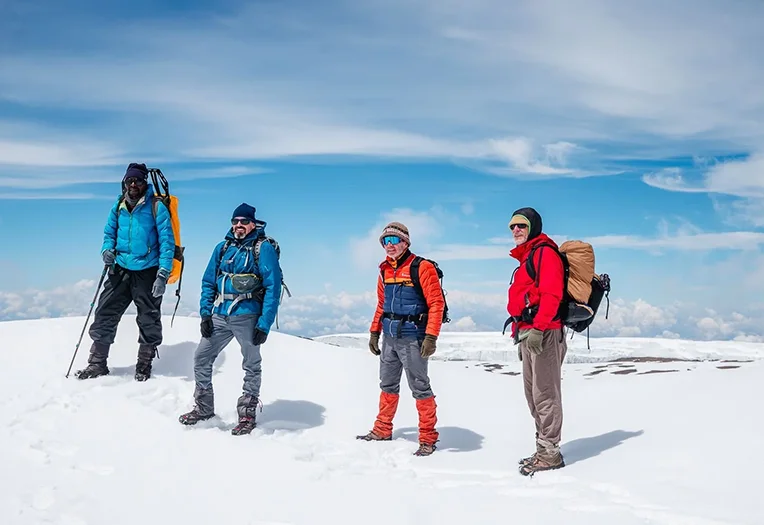
12-Day Mount Kilimanjaro Northern Crater Adventure Trek
The 12-Day Northern Crater Route is one of the most exclusive and extreme Kilimanjaro experiences, combining t...
You Visit: Moshi (Park View Inn / The Maridadi Hotel), Lemosho Gate, Forest Camp, Shira 1 Camp, Shira 2 Camp, Lava Tower, Moir Hut, Buffalo Camp / Pofu Camp, Third Cave Camp, School Hut, Uhuru Peak 5,895m, Crater Camp (Furtwängler Glacier), Millennium Camp, Mweka Gate
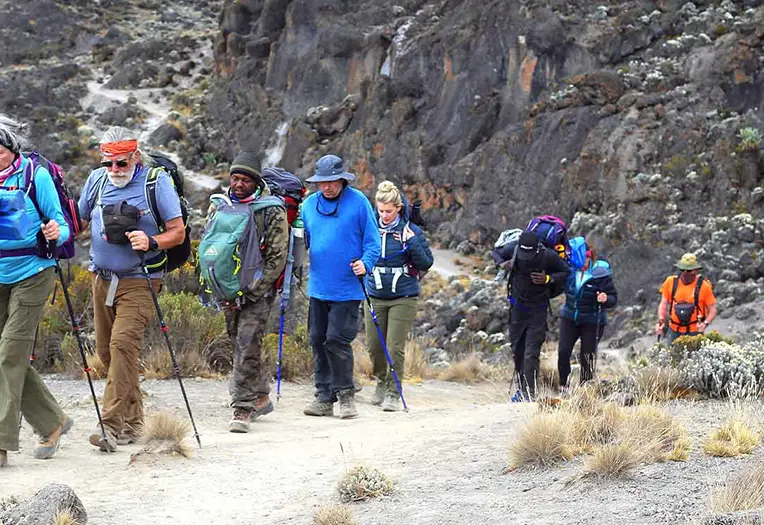
14-Days Mount Kilimanjaro Lemosho Route Trekking & Northern Tanzania Safari Adventure
This 14-day Kilimanjaro Lemosho Route trekking and Tanzania safari adventure combines the ultimate mountain ch...
You Visit: Londorossi Gate, Shira 1, Shira 2, Lava Tower, Barranco Wall, Barafu Camp, Uhuru Peak 5,895m, Tarangire, Serengeti, Ngorongoro Crater
Travel Advice
Frequently Asked Questions
Do I need professional mountaineering experience to climb Mount Kilimanjaro?
No, Mount Kilimanjaro is a non-technical trekking mountain. This means you do not need ropes, harnesses, ice axes, or prior mountaineering experience to reach the summit at Uhuru Peak. The entire climb is a walking trek. However, do not underestimate the challenge; it is a physically demanding journey that requires excellent cardiovascular fitness, strong legs, and mental determination. Walking uphill for multiple consecutive days, often for 6 to 8 hours daily, at high altitudes is a serious test of endurance. We recommend beginning a dedicated training program 2 to 3 months before your climb.
Which climbing route offers the highest summit success rate?
The Lemosho Route (typically 8 days) and the Machame Route (typically 7 days) offer the highest summit success rates, often exceeding 90%. This is because their longer duration allows for a gradual ascent profile and follows the classic mountain rule of "climb high, sleep low," giving your body time to adapt to the lower oxygen levels. The Marangu Route (the only route with A-frame sleeping huts instead of camping tents) is often climbed in just 5 days, which results in a much lower success rate (around 50%) because hikers do not have enough time to acclimatize properly.
What safety equipment do your mountain crews carry during the climb?
Safety is our absolute highest priority at BMC Tours & Safaris. Our professional, wilderness-first-responder-certified guides carry emergency oxygen cylinders (exclusively for descent support), a portable stretcher, and a fully stocked first-aid kit. Every morning and evening, your guide will perform a health check using a pulse oximeter to monitor your heart rate and blood-oxygen saturation percentage. They will also use the Lake Louise Scoring System to assess you for any signs of Acute Mountain Sickness (AMS).
How do we handle toilets, water, and food on the mountain?
Our porters carry fresh water from mountain streams, which is double-filtered and boiled to ensure it is completely safe for drinking, hot beverages, and washing. Our camp chef prepares three hot, high-carbohydrate meals daily (combining grains, fresh vegetables, meats, and hot soups) served in a large communal mess tent with tables and chairs. We also set up private, chemical flush toilet tents at every camp site, which are reserved exclusively for our group, saving you from using the public wooden long-drop outhouses.
How much weight are climbers expected to carry themselves?
You will only need to carry a lightweight daypack (usually 30 to 40 liters) containing items you will need during the day's trek, such as drinking water (2-3 liters), sunscreen, camera, rain jacket, fleece layer, snacks, and personal first-aid items. This daypack typically weighs around 5 to 7 kilograms. All your remaining gear (sleeping bag, extra clothes, and heavy items) will be packed into a large duffel bag (maximum 15 kilograms) and carried by our dedicated team of mountain porters from camp to camp.
When is the absolute best season to climb Mount Kilimanjaro?
Kilimanjaro can be climbed year-round, but the best times are during the dry seasons when the weather is stable, skies are clear, and trails are dry. The warmest dry season runs from January to early March, which is an excellent time to climb. The cooler dry season runs from June to October, which is also popular but can be busier. We recommend avoiding the long rainy season from mid-March to May, when heavy rains turn trails to mud and clouds block the views, as well as the short rains in November and December.